

The funeral costs in Australia have been rising over recent years, making it harder for families to know what they should expect to pay.
To give some context, the average funeral in Australia now costs $8,202, with almost one in three families spending more than $10,000 and 8% spending over $15,000, according to the Golden Insurance Funeral Report.
With prices varying significantly between providers, a funeral cost breakdown is often the most helpful way to understand the specific items and services that make up the total cost.
There are no standard fees for burials or cremations, as pricing is set by individual operators and can differ across states.
Here's a breakdown of individual funeral expenses, based on the same report.
The above figures come from the report and reflect the average costs Australians reported when arranging a funeral in the past five years. It's important to note that prices can vary significantly depending on the provider, location, and the specific choices a family makes.
Bare package inclusions are detailed upfront, and any optional extras are clearly listed with their pricing so families can see exactly what is included from the start. You can get a Bare quote with a detailed pricing breakdown in our quote page.
How much do funerals cost in Australia?
The cost of a funeral in Australia can be difficult to estimate, as prices vary significantly between funeral directors and the type of service. On average a funeral in Australia costs $8,202 as reported by Golden Insurance.
Funeral costs are not the same across all arrangements because expenses change based on the provider, whether it’s for a cremation or burial, the type of service required, how it’s personalised, and the location. For example, traditional funerals encompass various components, such as catering for a wake, flowers, newspaper advertising, celebrant fees, and funeral director service charges, which contribute to the overall cost.
Alternatively, a direct cremation or an unattended cremation without a service or ceremony is typically less expensive, as it includes fewer associated expenses than a traditional funeral.
With Bare, our pricing is simple and transparent. Our least expensive package option, Bare Cremation, is a non-attended cremation with no formal funeral ceremony. A Bare Cremation includes collection from the place of passing, transfer of your loved one into our care 24/7, a simple cardboard or MDF coffin, a private cremation, and all required paperwork and registrations. The national average price of a Bare Cremation as of May 2026 is $3,399*, with prices varying by location.
In addition to a Bare Cremation, we offer the option to include a service either before or after the cremation. Families can choose a Bare Funeral or a Bare Memorial, which can be personalised depending on the services and optional extras selected. This flexible approach allows families to pay only for what they need, which is why our funeral packages remain affordable.
What makes up a funeral cost
Most funeral packages include a set of essential services. These core services cover the care of the deceased and the arrangement of a basic funeral. The total cost then varies depending on whether the arrangement involves a burial or a cremation.
The professional services fee or funeral director’s fee covers the planning and coordination involved in arranging a funeral. This usually includes supporting the family, discussing their preferences, and preparing the required paperwork.
Transfer and transport are commonly included as well. This involves bringing the person into the funeral home’s care and transporting them to the mortuary. Some providers may charge extra for after-hours transfers, weekends, or longer distances. It’s important to note that additional transportation fees may also apply for transporting your loved one from a holding facility to the venue of the service, if a service or ceremony is held.
Mortuary care is often included for a limited number of days and generally covers the storage and preparation of the deceased, though these may sometimes be listed as separate items. If additional time is required before the funeral, cremation, or burial, some funeral homes may apply an extra daily fee to cover extended storage and care.
A simple coffin or casket is also part of most base packages. The style and material selected will affect the price.
Some funeral providers combine core services with selected burial or cremation items into packages, while others list these costs separately. What is included in a standard arrangement can vary, so it’s important to check which items are covered and which may incur additional fees. Burial is typically more expensive due to costs such as the burial plot and cemetery fees, while cremation is generally more cost-effective because it involves fewer variable charges.
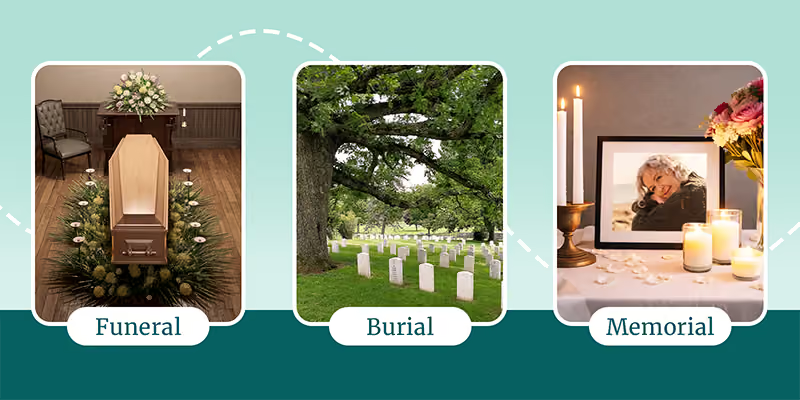
In some cases, families may choose to hold a memorial or celebration of life, which is a service held separately from the cremation or burial. This means the cost of the service and the cremation or burial are considered separately. If you’d like to understand the differences between direct cremations, memorials and funerals in more detail, you can read our guide.
At Bare, we make sure families have clear information so they can make choices that feel right for them and their loved one. Because arrangements are made online or by phone at any time of day, families can request quotes with upfront pricing and inclusions and plan without visiting a funeral parlour. Our role is to guide you through the process and help you understand what suits your needs and budget, without pressure or unnecessary additions.
Common burial costs
In addition to the core funeral services mentioned, burial costs include several key items. The burial plot is the resting place where the person will be buried. Prices fluctuate between metropolitan and regional areas and between cemetery operators. Some include general grounds maintenance in this fee, while others charge for it separately. You can read more in our guide to burial plot costs.
A headstone is another major burial expense. Costs vary based on the material, size, design, engraving, and installation needs. Basic markers usually sit on the lower end, while custom or premium stone can raise the price.
There is also a cost for opening and closing the grave. This involves preparing the site, completing the burial, and restoring the ground afterward. Fees may differ based on the depth required, soil conditions, and whether the burial takes place outside standard hours.
Additional charges may apply, such as grave digging, equipment use, administrative fees, or other tasks requested by the cemetery.
If a brief service is held at the graveside, there may also be a setup fee. This usually covers chairs, shade, basic equipment, and staff to support the service.
Common cremation costs
Generally speaking, cremations can be cheaper than burials as there are no associated expenses like a burial plot and headstone. However, it does include some specific costs.
The cremation fee is set by the crematorium and covers the facility, equipment, and staff. Fees depend on the state and council operated and private crematoriums.
A cremation permit is also required in every state. This is a legal document that must be approved before the cremation can take place. The cost of the permit can vary depending on the state and the provider handling the paperwork. It may also differ based on where the person passed away.
There is also a cost associated with the return of ashes. This usually includes a basic container provided by the crematorium, the preparation of the ashes, and the handling required for collection. Upgrades such as a decorative urn or requesting delivery instead of collection can add to the overall price.
Other funeral costs to consider
There are several additional costs that may form part of a funeral, depending on the choices made by the family. Because funeral expenses can add up quickly, many families explore lower-cost options which we’ve explained in more detail here.
Some elements like viewing of the deceased’s body before the cremation or burial are optional, while others may be required due to state regulations or specific circumstances. For example, traditional funeral services may call for extras like embalming, which may be required in certain situations such as extended delays or open-casket viewings.
A death certificate is issued by the state registry, and while it is a standard requirement, the number of certified copies needed for legal matters can increase the total. Families often need several copies for banks, insurance, and estate work.
Traditional funerals, which may be either a cremation or a burial, often include additional costs associated with the service or ceremony, such as catering, flowers, newspaper notices, celebrant fees, and other funeral director services.
Venue hire for the service is one cost to consider. Some funeral homes include the use of their chapel in the overall fee, while others charge separately for it. If the service is held at an external location, such as a community venue or larger space, that venue will have its own fees. Prices can vary based on the size of the space, its availability, and the facilities provided. Catering works in a similar way. If the family chooses to hold a gathering after the service, the number of guests and the type of food selected can add to the overall amount.
A celebrant or clergy member may also be involved. Their fee reflects the time spent meeting with the family, preparing the service, and delivering it on the day. The level of personalisation and the person chosen both have an influence here.
Disbursements are charges paid to third parties on behalf of the family, such as flowers, newspaper notices, or musicians. Each provider sets their own pricing, so these items can vary significantly.
Final thoughts
Understanding funeral costs breakdown can be helpful when you’re trying to make decisions during a difficult time. Prices can vary quite a lot depending on the type of service, the location, and the choices a family makes, so it’s important to remember there is no single standard cost.
It is equally essential to remember that while cost is an important practical factor, it does not reflect the love or respect you hold for your loved one. A genuine, heartfelt farewell can be simple or more detailed. What matters most is that the farewell feels right for you and your family.
Our affordable packages include the essential items required for each type of service, and there are optional elements available if you want the farewell to be more detailed. Whether you choose something straightforward like a Bare Cremation or a more tailored Bare Funeral service with optional touches such as flowers, a celebrant, or stationery, the focus is always on creating a goodbye that truly reflects the person who has passed.
Our team is here to guide you every step of the way, whether you’re arranging a cremation, planning a funeral with service, or planning ahead. If you’re unsure where to start or need help comparing options, we are only a phone call away and ready to support you.
To find out more about our services or to get a free quote visit the Bare website or call us anytime on 1800 071 176.
*This is the average price of a Bare Cremation, taken as the average of all zones of Bare’s servicing as of May 2026. Please note that prices vary depending on location and are subject to increase over time. For an accurate quote and cost breakdown for your location, please visit our website.
Disclaimer: This article and all information and pricing within it was accurate at the time of writing. Please see bare.com.au or linked sources for current pricing. This article provides general information only and does not constitute professional advice. Please consult a qualified expert for guidance specific to your situation.
Learn more in our Resource Centre.
If you’re feeling overwhelmed, we’re here to help you through it. Our Resource Centre shows plenty of ways forward.